CES Medical
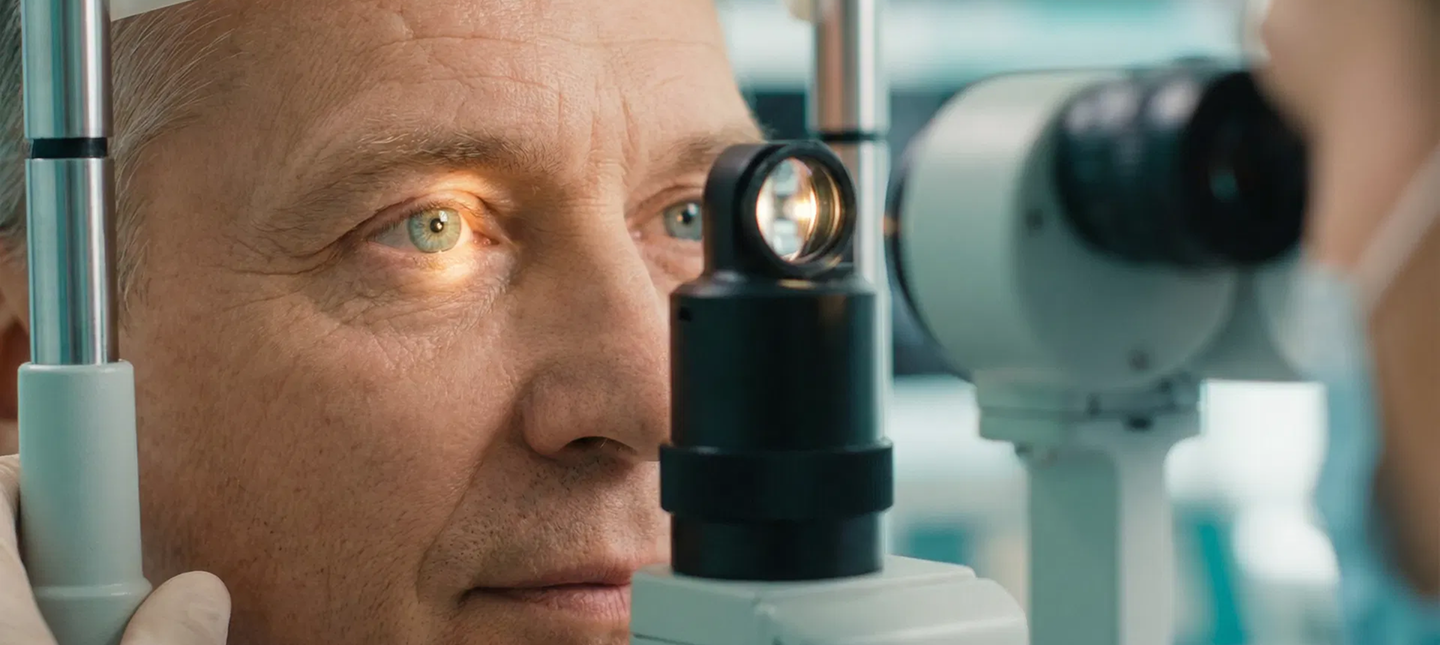
Eye specialist examining a patient

NHS Services

Anterior Eye Conditions

Expert diagnosis and treatment for conditions affecting the front of the eye

01

Understanding
Anterior Eye
Conditions

The anterior segment refers to the front structures of the eye, including the cornea, iris, lens, and the fluid-filled space between them. Conditions affecting these structures are among the most common reasons patients are referred for specialist ophthalmology care. At CES Medical, our experienced consultants provide comprehensive assessment and management of a wide range of anterior eye conditions through the NHS, ensuring you receive timely, expert care close to home.

Many anterior eye conditions develop gradually and may not cause noticeable symptoms in their early stages. Regular eye examinations with your optometrist are the best way to detect changes early, when treatment is most effective.

02

Conditions We Treat

Dry Eye Disease

Dry eye disease is one of the most common anterior eye conditions, affecting millions of people across the United Kingdom. It occurs when the eyes do not produce enough tears or when tears evaporate too quickly. Patients typically experience a gritty or burning sensation, intermittent blurring of vision, and eyes that feel tired or uncomfortable, particularly after prolonged screen use or in air-conditioned environments. Our consultants assess the underlying cause of your dry eye - whether it is related to meibomian gland dysfunction, aqueous deficiency, or environmental factors - and develop a targeted management plan that may include lubricating drops, lid hygiene measures, or anti-inflammatory treatments.

Blepharitis

Blepharitis is a chronic inflammation of the eyelid margins that often accompanies dry eye disease. It can cause redness, crusting along the lash line, and a sensation of grittiness. While blepharitis cannot be cured, it can be effectively managed with a combination of warm compresses, lid cleaning and, where necessary, topical or oral medications.

Corneal Conditions

Corneal conditions encompass a range of disorders affecting the transparent front surface of the eye. These include corneal dystrophies, which are inherited conditions that cause material to build up in the cornea over time; keratoconus, a progressive thinning and bulging of the cornea that distorts vision; and corneal infections (keratitis), which can occur in contact lens wearers or following eye injuries. Our consultants use advanced imaging and diagnostic tools to assess corneal health and determine the most appropriate treatment, which may range from specialist contact lenses to corneal cross-linking or, in more advanced cases, referral for corneal transplant surgery.

Anterior Uveitis

Anterior uveitis (also called iritis) is an inflammation of the iris and the surrounding tissue inside the eye. It typically presents with a painful, red eye, sensitivity to light, and blurred vision. Anterior uveitis can occur as an isolated episode or may be associated with systemic inflammatory conditions such as ankylosing spondylitis or sarcoidosis. Prompt treatment with anti-inflammatory eye drops is essential to prevent complications, and our team works closely with rheumatology and other specialities when a systemic cause is suspected.

Pterygium and Pinguecula

Pterygium and pinguecula are benign growths on the conjunctiva - the clear membrane covering the white of the eye. A pterygium is a wedge-shaped growth that can extend onto the cornea and, if left untreated, may affect vision. A pinguecula is a yellowish raised area that does not typically grow onto the cornea. Both conditions are associated with prolonged ultraviolet light exposure. Treatment ranges from lubricating drops for mild cases to surgical removal when a pterygium threatens vision or causes persistent discomfort.

Clinician assessing the front of the eye during an ophthalmology appointment

03

How Are Anterior Eye Conditions Diagnosed?

Your journey typically begins with your optometrist or GP, who will carry out an initial assessment and refer you to CES Medical if specialist input is needed. At your first appointment, your consultant will conduct a thorough examination using a slit-lamp biomicroscope, which provides a highly magnified view of the front structures of your eye.

Depending on your condition, additional investigations may include corneal topography to map the shape of your cornea, tear film analysis to assess tear quality and quantity, or anterior segment optical coherence tomography (OCT) to examine the layers of the cornea in fine detail.

Treatment Approaches

Treatment for anterior eye conditions is tailored to the specific diagnosis and severity of your condition. For many patients, conservative measures such as lubricating eye drops, warm compresses, and lifestyle modifications provide effective relief. Where inflammation is present, your consultant may prescribe anti-inflammatory or immunosuppressive eye drops.

More complex conditions may require specialist contact lens fitting, laser treatment, or surgical intervention. Throughout your care, our team will explain each step clearly and ensure you understand your treatment options.

Your NHS Referral
Pathway

Anterior eye conditions are typically identified during routine eye examinations by your optometrist, who can refer you directly to CES Medical's NHS service. Your GP can also make a referral if you have presented with eye symptoms. Once referred, our team will arrange an appointment at one of our clinics in Maidstone, Sevenoaks, or Tunbridge Wells. We aim to see patients promptly and will keep both you and your referring practitioner informed throughout your care.

04

Why Choose CES
Medical for NHS Care

Consultant-Led Service

All care is delivered under the supervision of experienced consultant ophthalmologists with specialist expertise in anterior segment conditions, ensuring the highest standards of clinical excellence.

Community-Based Locations

Our clinics are based in accessible community settings across Kent - Maidstone, Sevenoaks, and Tunbridge Wells - reducing the need to travel to hospital eye departments.

CQC-Registered Care

All our services meet Care Quality Commission standards for safety, effectiveness, and patient-centred care, giving you confidence in the quality of your treatment.

Advanced Diagnostic Technology

Our clinics are equipped with state-of-the-art diagnostic equipment including corneal topography, anterior segment OCT, and tear film analysis, enabling precise diagnosis and monitoring.

Clinician performing an eye examination with a slit lamp

05

Frequently Asked
Questions

Do I need a referral to be seen for an anterior eye condition?

+

Dummy answer: NHS appointments are usually booked following referral from your optometrist or GP, and our team will contact you with next steps.

How long will I wait for an appointment?

+

Dummy answer: Waiting times vary by clinic and urgency, but we aim to arrange appointments as quickly as possible after referral.

Will I need to attend multiple appointments?

+

Dummy answer: Some patients are assessed and managed in one visit, while others may need follow-up appointments for monitoring or treatment.

Can anterior eye conditions affect my vision permanently?

+

Dummy answer: Some conditions can affect long-term vision if untreated, which is why early diagnosis and regular follow-up are important.

What should I bring to my appointment?

+

Dummy answer: Please bring any current glasses, a list of medications, and details of recent eye symptoms to help with assessment.

Need to Be Referred?

To access CES Medical, please ask your Optician to refer you using REGO or your GP using ERS

Our Locations

CES Medical - Chatham

Kent

CES Medical - Headcorn

Kent

CES Medical - Tunbridge Wells

Kent