CES Medical
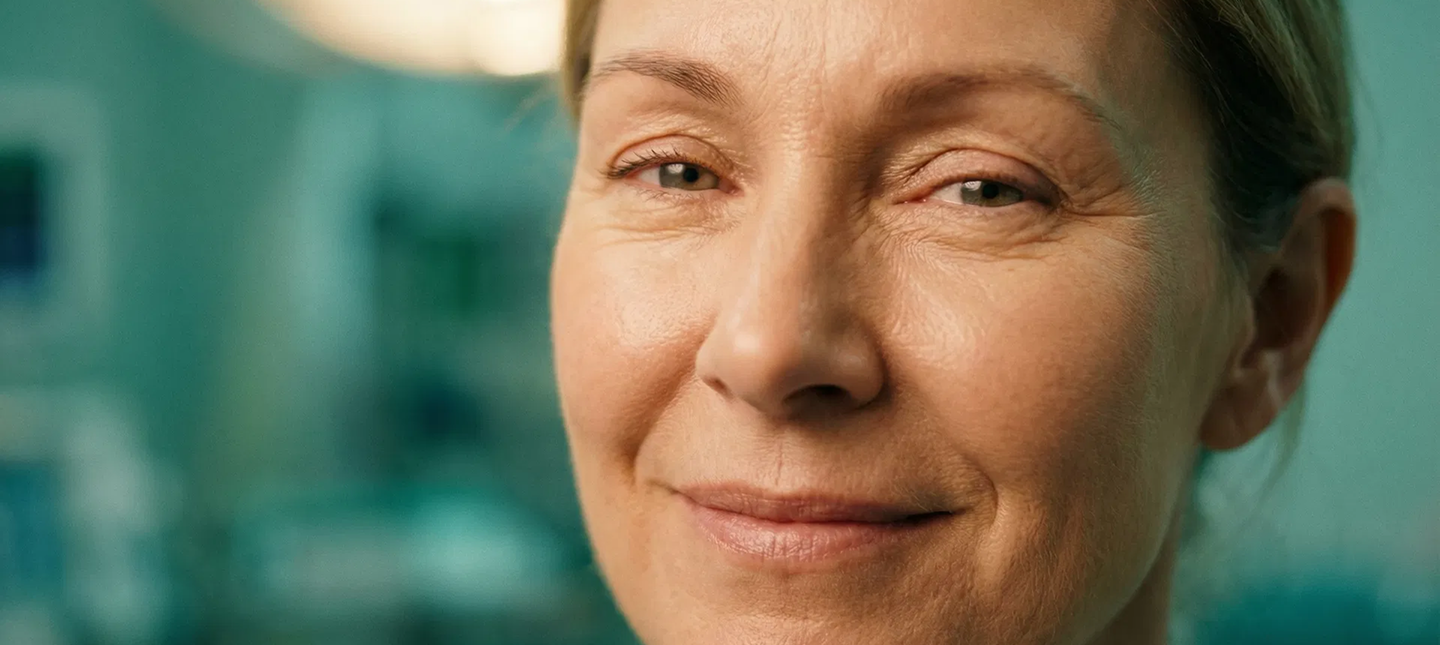
Patient consultation for specialist oculoplastic care

Private Eye Care

Expert Care for the Structures Around Your Eyes

CES Medical offers a comprehensive range of oculoplastic procedures - specialised surgical treatments for the eyelids, tear ducts, and eye socket. Our consultant ophthalmologists provide personalised care to restore both comfort and confidence.

Prompt appointments available

CQC registered & fully accredited

Consultant-led care throughout

01

Understanding
Oculoplastic Surgery

Oculoplastic surgery is a specialised branch of ophthalmology that focuses on the delicate structures surrounding the eye - including the eyelids, tear drainage system, and the bony eye socket (orbit). These structures play a vital role in protecting your eyes, maintaining comfortable vision, and supporting the natural function of your tear film.

When conditions affecting these areas are left untreated, they can cause persistent discomfort, impair your vision, and affect your appearance and self-confidence. Oculoplastic procedures are designed to correct these problems, restoring both the function and natural appearance of the area around your eyes.

At CES Medical, our consultant ophthalmologists are experienced in diagnosing and treating a wide range of oculoplastic conditions. Whether your concern is medical or cosmetic, we take the time to understand your individual needs and recommend the most appropriate course of treatment.

Functional vs Cosmetic

It is important to understand that oculoplastic procedures can be broadly divided into two categories. Functional procedures are those performed to correct a medical condition that is affecting your comfort, eye health, or vision - such as an eyelid that turns inward and scratches the surface of your eye. Cosmetic procedures are those performed primarily to improve the appearance of the area around the eye - such as removing excess skin from the upper eyelids that causes a tired or heavy appearance. In many cases, a procedure may serve both purposes simultaneously.
02

Conditions We Treat

Ptosis (Droopy Eyelids)

Ptosis occurs when the muscle responsible for lifting the upper eyelid becomes weakened or stretched, causing the eyelid to droop. This can affect one or both eyes and may develop gradually with age or be present from birth. In mild cases, ptosis can give a tired or asymmetric appearance. In more significant cases, the drooping eyelid can obstruct the upper part of your visual field, making everyday activities such as reading and driving more difficult.

Treatment: Surgical procedure to tighten or reattach the levator muscle. Typically performed under local anaesthesia, 30-60 minutes.

Entropion (Inward-Turning Eyelid)

Entropion is a condition in which the eyelid - most commonly the lower lid - turns inward, causing the eyelashes and skin to rub against the surface of the eye. This leads to irritation, redness, a gritty sensation, and excessive watering. If left untreated, the constant friction can damage the cornea and potentially affect your vision.

Treatment: Surgical correction to reposition the eyelid to its normal outward-facing position. Local anaesthesia, 30-45 minutes.

Ectropion (Outward-Turning Eyelid)

Ectropion is the opposite of entropion - the lower eyelid turns outward, away from the eye, exposing the inner surface of the lid. This prevents the tears from draining properly, leading to persistent watering, dryness, and irritation of the exposed conjunctiva. Ectropion is most commonly associated with age-related laxity of the eyelid tissues.

Treatment: Surgical tightening of the eyelid to restore its normal position. Local anaesthesia, 30-45 minutes.

Blepharoplasty (Excess Eyelid Skin)

Blepharoplasty is a procedure to remove excess skin, and sometimes fat, from the upper and/or lower eyelids. Over time, the skin around the eyes can lose elasticity, leading to hooding of the upper lids or puffiness beneath the lower lids. When the excess skin on the upper eyelids is significant, it can weigh down the lid and restrict the upper visual field - making this both a functional and cosmetic concern.

Treatment: Excess skin removed through an incision hidden within the natural eyelid crease. Local anaesthesia, 1-2 hours.

Chalazion and Eyelid Cysts

A chalazion is a firm, painless lump that develops on the eyelid when one of the small oil-producing glands (meibomian glands) becomes blocked. While chalazia often resolve on their own with warm compresses, persistent or large cysts may require a minor surgical procedure called incision and curettage.

Treatment: Small incision on the inside of the eyelid to drain the cyst. Local anaesthesia, 15-20 minutes.

Watering Eyes (Epiphora) and Blocked Tear Ducts

Watering eyes can result from a number of causes, but one of the most common is a blockage in the tear drainage system - the narrow channels that carry tears from the eye into the nose. When these channels become blocked, tears overflow onto the cheek, causing persistent watering, discomfort, and sometimes recurrent infections.

Treatment: Options range from simple syringing and probing to dacryocystorhinostomy (DCR), which creates a new drainage pathway. Duration varies by procedure.

Eyelid Lumps and Lesions

A variety of lumps, bumps, and skin lesions can develop on or around the eyelids. While the majority are benign - such as cysts, papillomas, and skin tags - it is important that any new or changing lesion is assessed by a specialist to rule out more serious conditions.

Treatment: Removal performed under local anaesthesia, with tissue sent for laboratory analysis when appropriate. 15-30 minutes.

Condition

What It Means

Common Symptoms

Typical Procedure Time

Ptosis

Upper eyelid droops due to weakened muscle

Tired appearance, restricted upper vision

30-60 minutes

Entropion

Eyelid turns inward, lashes rub on eye

Irritation, redness, gritty sensation, watering

30-45 minutes

Ectropion

Eyelid turns outward, exposing inner lid

Watering, dryness, irritation

30-45 minutes

Blepharoplasty

Excess skin removed from eyelids

Heavy or hooded lids, restricted vision

1-2 hours

Chalazion

Blocked oil gland forms eyelid lump

Painless lump on eyelid

15-20 minutes

Watering eyes

Tear drainage system blocked

Persistent watering, overflow of tears

Varies by procedure

Eyelid lesions

Lumps, bumps, or skin growths on eyelid

Visible lump, sometimes irritation

15-30 minutes

03

Procedure Facts

Duration

45-90 mins

Anaesthetic

Local

Initial Recovery

2-3 weeks (Bruising)

04

Your Surgical Journey

From your initial consultation through to your ongoing care, here is what to expect at each stage of your oculoplastic surgery journey.

Pre-Assessment

+

What happens: eyelid examination and photography to document baseline appearance; visual field testing if the procedure is on functional grounds; a discussion of realistic outcomes (final results assessed at 3 months); consent; and a review of medications, especially blood thinners.

What to tell us: all blood-thinning medications (warfarin, apixaban, rivaroxaban, aspirin, clopidogrel, ibuprofen); any history of dry eye, as surgery temporarily worsens it; if you wear contact lenses; any previous eyelid or facial surgery; any thyroid disease, which requires specific planning.

What to bring: your appointment letter, an up-to-date list of all your medications, your current glasses, and a responsible adult to drive you home.

Morning of surgery: eat and drink normally (local anaesthetic, no fasting); arrange transport as you cannot drive; wear clothing that buttons at the front; allow 2 to 3 hours total; no eye makeup, foundation or face cream; no contact lenses on the day; no perfume or aftershave.

Day of Surgery

+

1. Arrival and preparation: arrive at the time specified. The surgeon marks the eyelids with a skin marker before beginning.

2. Anaesthetic: local anaesthetic is injected into the eyelid, a brief sting followed by complete numbness within 30 to 60 seconds. You will be awake throughout.

3. The procedure: you may feel pressure or movement but should not feel pain. You may hear cutting and cautery instruments, which is normal. Sutures are placed at the end.

4. Going home: you are discharged with your escort, antibiotic ointment, and written aftercare instructions. Cold compresses start immediately at home.

Time required: the surgery itself may take 30 to 90 minutes; please allow 2 to 3 hours for your visit. You must not drive yourself home.

After Surgery

+

Immediately after: rest in the recovery area before discharge; your eye may be padded or shielded; you will need an escort to drive you home; begin cold compresses as soon as you get home; take regular paracetamol and avoid ibuprofen, which increases bleeding.

The golden rules: cold compresses every hour for the first 48 hours (10 to 15 minutes each); sleep with your head elevated on 2 to 3 pillows for one week; apply antibiotic ointment to the suture lines 3 to 4 times daily; attend your suture removal appointment; do not rub or touch the eyelids; no eye makeup for 2 weeks; no contact lenses for 2 weeks; no bending or heavy lifting for 2 weeks.

Eye drop / ointment technique: wash your hands; tilt your head back and pull the lower lid down; look up and do not let the tip touch the eye; apply as directed; close the eye gently for 60 seconds; press the inner corner for 60 seconds; wait 5 minutes between different drops.

Recovery

+

Timeline: Day 0 to 1, significant swelling begins, lids feel tight, cold compresses every hour while awake. Days 2 to 3, bruising and swelling peak, which is normal and expected. Day 5 to 7, bruising starts to disperse, suture removal if non-dissolvable. Week 2, most bruising resolved, resume most normal activities. Weeks 4 to 6, incision lines still pink and slightly raised, resume all activities including exercise. Month 3, final result assessed, incision lines faded.

Restrictions: no swimming for 3 weeks; no hot tubs or saunas for 3 weeks; no eye makeup for 2 weeks; no strenuous exercise, bending or heavy lifting for 2 weeks; no driving until vision is clear and you feel safe, usually after suture removal.

When to Seek Help

+

Call 01732 756789 immediately if you have: a sudden rapid increase in pain and hard swelling (possible haematoma requiring urgent drainage); rapidly increasing hard painful swelling (orbital haematoma, a rare emergency); sudden loss of vision or visual disturbance; or signs of infection after day 3 (increasing redness, warmth, pus, fever).

Contact us within 24 hours for: wound edges that have separated or sutures that have come loose; discharge that looks like pus rather than clear fluid; significant dry eye causing corneal pain or light sensitivity; or severe or worsening chemosis (jelly-like swelling of the eye surface).

Normal and expected: significant bruising and swelling peaking at days 2 to 3; lids feeling tight especially on waking; a watery eye during the first 2 weeks; mild asymmetry between the lids in the first 6 weeks; chemosis resolving over 2 to 3 weeks.

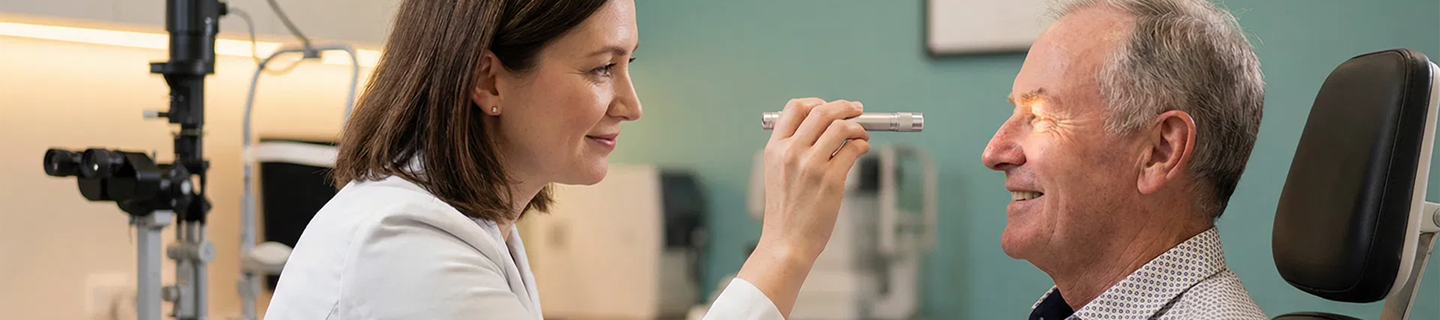
Consultant examining a patient before oculoplastic treatment
Specialised
surgical treatments.

Recovery and Aftercare

Recovery from oculoplastic surgery varies depending on the specific procedure performed, but there are several general principles that apply to most treatments.

In the first 48 hours

You can expect some swelling and bruising around the treated area. Applying a clean, cold compress for short intervals can help to reduce swelling. You should rest with your head slightly elevated and avoid bending forward or lifting heavy objects.

During the first week

The swelling and bruising will begin to subside. You may be prescribed antibiotic eye drops or ointment to prevent infection and aid healing. It is important to keep the area clean and to avoid rubbing or touching your eyes. You should avoid wearing eye makeup during this period.

After one to two weeks

Most patients find the bruising has faded enough to return to work and normal social activities within one to two weeks, with full resolution of swelling and bruising over two to three weeks. Bruising and swelling peak at 48 to 72 hours after surgery. If non-dissolvable sutures were placed, these are usually removed around 7 to 10 days after surgery. Your consultant will advise when it is safe to resume exercise and other physical activities.

When to Contact Us

Please get in touch with us if you experience any of the following after your procedure: significant increase in pain not relieved by paracetamol, sudden change in vision, heavy bleeding from the wound site, or signs of infection such as increasing redness, swelling, or discharge.

05

Why Choose
Private Care?

Rapid Access to Treatment

With private treatment at CES Medical, you can typically have your initial consultation and procedure scheduled within a matter of weeks. For conditions that are causing daily discomfort or affecting your vision, timely access to treatment can make a meaningful difference to your quality of life.

Consultant-Led Care

You will be seen by the same experienced consultant ophthalmologist from your initial assessment through to your procedure and follow-up appointments. This continuity ensures that your care is personalised, consistent, and informed by a thorough understanding of your individual needs.

Personalised Treatment Plans

Every patient is different. Your consultant will take the time to explain your condition, discuss all available options, and tailor your treatment plan to achieve the best possible outcome for you - whether your concern is primarily functional, cosmetic, or both.

Dedicated, Comfortable Environment

Our clinics are designed to provide a calm, welcoming experience. You will receive unhurried, individual attention at every visit, with appointments scheduled to allow ample time for thorough assessment and discussion.

Patient recovering comfortably at home after treatment

06

Frequently Asked
Questions

We understand that choosing a treatment for the area around your eyes is an important decision. Here are answers to some of the questions our patients most commonly ask about oculoplastic procedures.

Are oculoplastic procedures painful?

Most oculoplastic procedures are well tolerated, and your consultant will discuss the anaesthetic approach and expected comfort level for your specific treatment.

How long does recovery take?

Recovery time depends on the procedure performed, but your consultant will explain the expected healing period, follow-up, and aftercare before treatment.

Will there be visible scarring?

Oculoplastic surgery is planned carefully around the natural structures of the eyelids and surrounding tissues to minimise visible scarring as much as possible.

Do I need a referral from my GP?

Private oculoplastic treatment does not usually require a GP referral, although CES Medical can advise on the best route based on your circumstances.

Can oculoplastic surgery be performed on both eyes at the same time?

Some procedures can be performed on both eyes during the same treatment session, depending on the condition being treated and your consultant's recommendation.

Is blepharoplasty a cosmetic or medical procedure?

Blepharoplasty can be either cosmetic or functional, depending on whether the eyelid issue is affecting appearance alone or also causing visual or comfort problems.

What are the risks of oculoplastic surgery?

As with any procedure, risks vary depending on the treatment. Your consultant will explain the specific risks, benefits, and expected outcomes during your assessment.

How much do oculoplastic procedures cost?

Costs depend on the consultation findings and the procedure recommended. Contact CES Medical directly for current private pricing information.

How soon after surgery can I drive?

You should not drive until your vision is clear and you feel safe to do so. Your consultant will advise you based on the procedure and your recovery.

Restore Comfort and
Confidence

If you are experiencing problems with your eyelids, tear ducts, or the structures around your eyes, our consultant ophthalmologists are here to help. Contact CES Medical today to book your private consultation and take the first step towards effective treatment.